
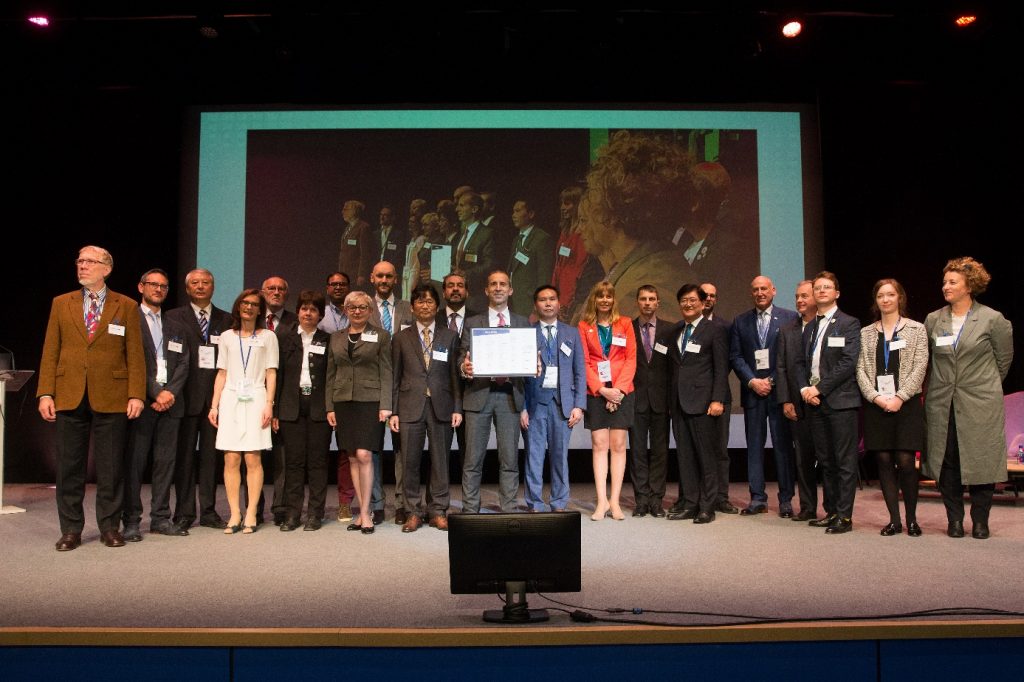
INSC Officers
INSC has four officers: Chairman, 1st Vice-Chairman, 2nd Vice-Chairman and Secretary/Treasurer. In addition, to give the necessary material support to the organization, the Chairman appoints an assistant from his Society to perform his secretarial activities.
The officers are elected by majority vote of the members of the Council. The term of office is two years, starting on January 1st of the year following the election. From 2022, the term of office was changed to one year. And from 2025, the term of office is starting from the end of INSC 2nd-GA held during IAEA General Conference.
Executive Members of 2026 INSC
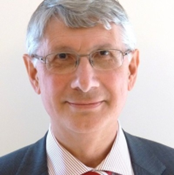
Mr. Marc Deffrennes
2026 Immediate Past Chair

Ms. Khadija Bendam
2026 Chair
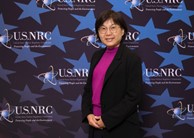
Dr. Tsai-Yueh Luo
2026 1st-Vice Chair
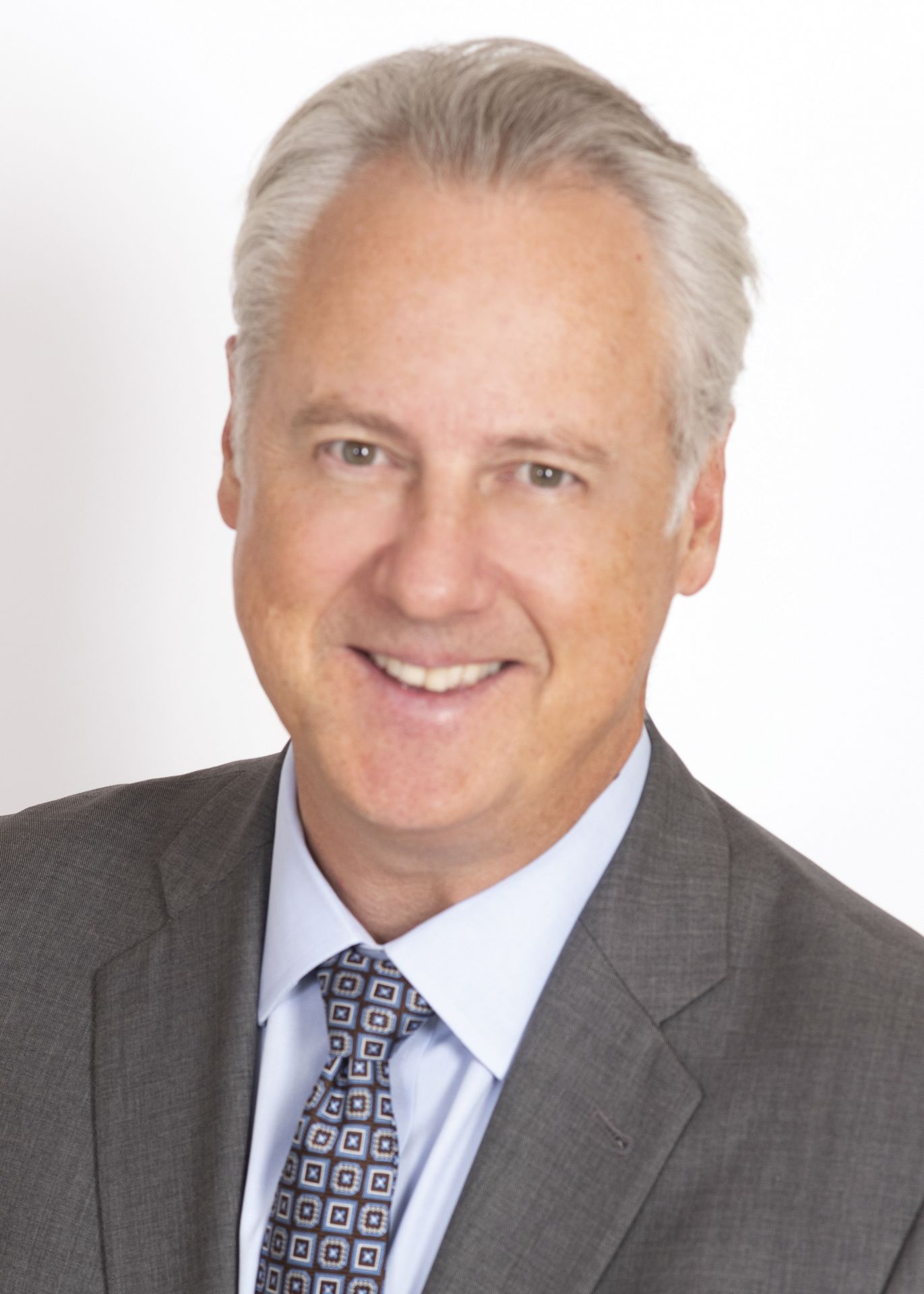
Mr. Craig Piercy
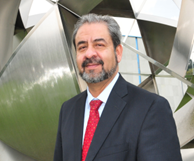
Dr. Javier Cuitláhuac Palacios Hernández
2026 Secretary

Dr. Eileen Langegger
I. Tasks of the General Assembly
The following tasks are reserved for the General Assembly:
- Decisions on the proposed budget.
- Acceptance and approval of the Treasurer's report and the account balance with the involvement of the auditors.
- Election and dismissal of the members of the Executive Board.
- Authorization of legal transactions.
- Discharge of the Executive Board.
- Resolution on amendments to the statutes and the voluntary dissolution of the association.
- Consultation and decision-making on other matters on the agenda.
II. The Executive Board
The Executive Board shall consist of the Chair and the first and second Vice-Chairs, the Secretary and the Treasurer. The immediate Past Chair is invited as an observer without voting rights.
- The Executive Board shall be confirmed by the General Assembly. In the case of withdrawal of one of the members, the Board has the right to elect another member, whose approval has to be sought retroactively by the subsequent General Assembly.
- The term of each position in the Executive Board is 1 year. Board members are supposed to stay in duty for 5 consecutive years, starting as Secretary, then Second and First Vice Chair and Chair and finally Immediate Past Chair. Each function in the Executive Board cannot be delegated.
- The Executive Board shall be convened verbally or by email by the Chair, or, in case of absence, by the first Vice Chair.
- The Executive Board shall have a quorum if all its members have been invited and at least three of them are present. This may be remotely videoconference.
- The Executive Board shall pass resolutions by consensus or a simple majority of votes; in the case of a tie, the meeting chairperson's vote is decisive.
- The Executive Board shall be chaired by the Chair and in case of absence by the first Vice Chair.
- Except by the death and expiration of the term, the function of an Executive Board member ends by removal or resignation.
- The General Assembly may at any time remove any of the Executive Board members. The dismissal comes into force with the appointment of the new Executive Board member.
- The members of the Executive Board can at all times declare their resignation in writing. The declaration of resignation is to be addressed to the Executive Board; in the event of the resignation of the entire Executive Board, to the General Assembly (all the members of the INSC). The resignation shall take effect upon the nomination of a successor.
III. Tasks of the Executive Board
The Executive Board is responsible for the management of the association. It is the "governing body" in the sense of the Association Act 2002. It is assigned with all tasks which are not assigned to another organ of the association by the statutes. The following issues are particularly relevant to its field of action:
- Elaboration of Strategies and Actions in line with the Association purpose and objectives, recommend them to the General Assembly, and implementation of the General Assembly decisions.
- Establishment of an accounting system corresponding to the requirements of the association, with a running record of the revenue / expenditure and the management of a list of assets as a minimum requirement.
- Management of the association`s financial resources.
- Preparation of the Treasurer's report and the balance of accounts.
- Preparation, convocation, keeping records of the Council meetings and General Assembly in the cases of § 9 of these statutes.
- Information of the members of the association about the work of the association, the performance of the association and the audited financial statements.
- Admission and exclusion of members of the association.
- Recommendation to the General Assemblies of a candidate for the yearly renewal of the Treasurer function and in case of an Executive Board member's function ends.
IV. Special Duties of Individual Members of the Executive Board
- The Chair shall manage the day-to-day business of the association. The Treasurer, Secretary and the Vice Chairs shall support the Chair in the management of the association`s business.
- The Chair shall represent the association externally. Legal authorisation to represent the association to the outside or to sign in its name may be granted exclusively by the Chair to the members of the Executive Board.
- In the case of urgent matters, the Chair is entitled to issue orders independently, even in matters falling within the scope of the responsibilities of the General Assembly or the Executive Board, under his own responsibility. However, such actions require retroactive approval by the competent association body.
- The Chair shall chair the Council, the General Assembly and the Executive Board meetings.
- The Secretary shall keep the minutes of the Council, the General Assembly and the Executive Board meetings.
- The Treasurer is responsible for the proper financial formation of the association.
- In the case of need and the absence of the Chair, the first or second Vice Chairs, the Secretary or the Treasurer, they shall be represented, in their duty, by another member of the Executive Board.
Last modified April 17, 2026, 8:44am CDT